

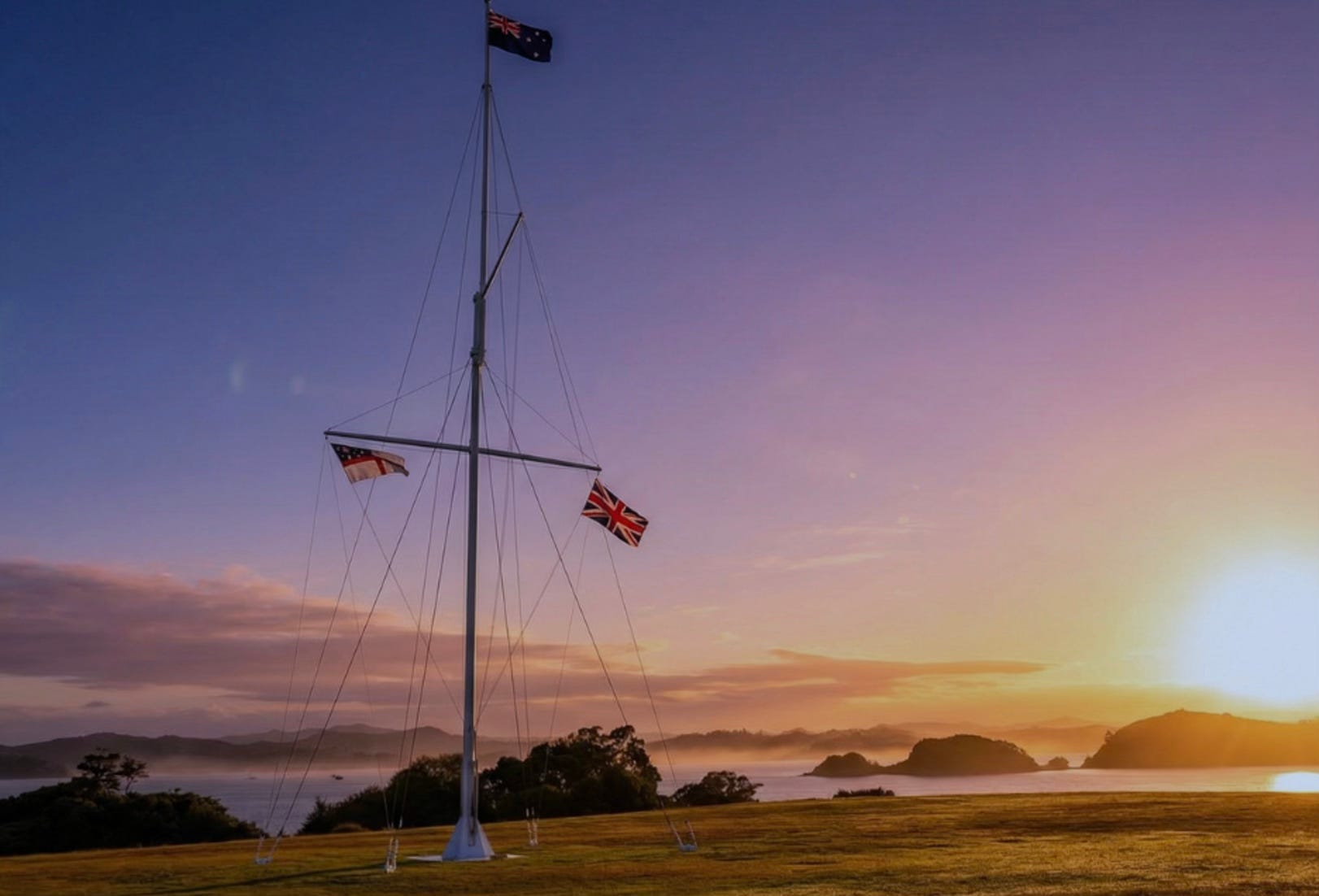
It’s Waitangi Day. The Public Holiday we set aside each year to mark the signing of Te Tiriti o Waitangi /the Treaty of Waitangi in 1840.
So let’s take a moment to reflect on what Te Tiriti means, why it is unique, and where the major political parties stand on its importance to defining who we are and what we stand for as a nation.
As our founding document signed in 1840 between representatives of the British Crown and many Māori rangatira it was meant to set out how Britain would govern Aotearoa while protecting the authority and rights of Māori, and unlike many colonial-era agreements around the world that faded into history, the Treaty of Waitangi continues to matter in law and public life.
Contested Significance
The debate over how much moral and legal sway this 1840 document should have over our lives today derives from the fact that there are two versions of it – Te Tiriti, the Māori-language version and The Treaty, the English-language version, which do not say the same things,
In Te Tiriti, Māori were understood to retain tino rangatiratanga — full authority over their own lands and affairs — while giving the Crown the right to govern (kāwanatanga).
In the English version, Māori are described as giving up sovereignty to the Crown in exchange for protection of their lands and rights.
This split between governance versus sovereignty has contributed to nearly two centuries of legal disputes, political argument, and social debate over what Te Tiriti / The Treaty means in practice.
A Living Document
Since the 1970s, the Waitangi Tribunal — established under the Treaty of Waitangi Act 1975 — has investigated claims that the Crown has breached its Treaty obligations and made recommendations for redress.
Over time, Treaty principles — concepts derived from the Treaty’s text and history, such as partnership, protection, and participation — have been incorporated into dozens of New Zealand laws and public policies and it is this evolution makes the Treaty unique among such documents worldwide: not a simple historical agreement, but a living part of New Zealand’s constitutional framework.
And it is on this issue – the degree to which Treaty Principles should be embedded in our law and influence public decision making, that marks a significant difference between the major political parties that we need to consider when casting our vote in November, because, make no mistake, at stake are the core issues of identity, equity, governance, and justice in Aotearoa.
Where The Political Parties Stand on the Treaty
Te Pāti Māori ( The Māori Party) centres its platform on Māori rights and tino rangatiratanga in accordance with Te Tiriti o Waitangi. It argues that Aotearoa/ New Zealand must honour the original spirit and intent of the Treaty — including greater self-determination for Māori communities, stronger co-governance in resource and cultural management, and recognition of Indigenous solutions for social and economic wellbeing. Te Pāti Māori is outspoken in defending Māori interests and Treaty rights against political actions seen as diminishing them, but its currently is some disarray with internal leadership battles.
The Green Party of Aotearoa New Zealand strongly embraces the Treaty as a cornerstone of its political philosophy. Greens often advocate for co-governance arrangements, meaningful Māori participation in decision-making, and policies that reflect kāwanatanga and tino rangatiratanga. Green Party members have been prominent in opposing measures they see as weakening Treaty rights or reinterpretations that diminish Māori authority.
The New Zealand Labour Party generally supports upholding the Treaty and its principles as part of New Zealand’s constitutional framework. While specific programmes have changed over time, the party does not seek to dismantle Treaty recognition and typically supports measures that advance Māori wellbeing within a Treaty framework. Recent joint appearances with the Green Party at Waitangi signal Labour’s commitment to Treaty partnership and cooperation.
The New Zealand National Party generally supports the Treaty as a historical foundation, but takes a more cautious approach to co-governance and the legal implications of Treaty principles. National’s leaders have described the Treaty as “challenging” and have acknowledged historic failures to uphold it. However, National tends to oppose extensive co-governance models and systemic changes it sees as beyond customary governance roles for Māori, focusing instead on practical participation rather than shared sovereignty.
ACT New Zealand has actively pushed for reforms that would redefine how Treaty principles are interpreted and applied in law, including advocating for popular referenda on Treaty interpretation. It argues that some current applications of the Treaty create division or special legal status, and proposes changes aimed at equal citizenship over race-based rights. In Parliament, ACT has championed measures such as the Treaty Principles Bill to reshape Treaty application — though this bill was decisively rejected by a large majority of MPs across parties.
New Zealand First takes a mixed stance, calling the Treaty a “source of national pride” but opposes making it a part of formal constitutional law and have resisted co-governance extensions that they believe privilege one group over another. New Zealand First supports fairness and equality under one law and tends not to endorse Treaty-based legal structures that differ for Māori versus other New Zealanders.
So there you have it.
As for myself, in recent years I have come to see Te Tiriti as something to cling to in an age of exploitation.
It is no coincidence that the ACT/ NZ First/ National coalition have been undermining the importance of The Treaty, because it gets in the way of allowing Big Business and overseas interests to do whatever they like in the name of profit – allowing a Canadian gold mining company to dig a tunnel , 10 metres high, 10 metres wide and 7 kilometres long under a native forest in the Coromandel being just one example of the legalised exploition of our environment, in the name of greed.
The Treaty isn’t just about the past. It shapes some of the biggest questions facing New Zealand today:
· Who should control water and natural resources?
· How should Māori language and culture be protected?
· What does fairness look like after historic land confiscations?
· Is co-governance democratic reform — or something else?
These debates surface every Waitangi Day because the Te Tiriti / The Treaty is not “settled history”. It is an unfinished conversation about how Aotearoa New Zealand should work.
Thanks to the generosity of my paid subscribers (thank you!) this post is now free to read.
For $10 a month including GST ( less than a cup of coffee a week) you can gain full access to all my paywalled fourth estate articles,documentaries and podcasts, plus you will get to comment in a chatroom of thoughtful Kiwis who care about our country and where it is going, in a troll- free social media environment.
To my paid subscribers, thank you for your ongoing support.
Please repost and share posts you find useful as it helps to build readership.

Well-summarised Bryan. Rather like the issues of taxation reform,it would be nice if (some) people, groups, parties and businesses in this country not have a panic attack - but engage in a grown-up and informed conversation - about acknowledgement of te Tiriti o Waitangi.
"What does fairness look like after historic land confiscations?"
Not like anything Aotearoa or Australia has done since these lands were invaded. Its well beyond time to trust trying something different and let Maori take a firm, stablised lead.